The Evolution of Fantasy Art: From Classic to Present-day 73845
Introduction
Fantasy artwork has captivated audiences for hundreds of years, transporting them to mythical realms full of magical creatures, epic battles, and enchanting landscapes. From your common paintings of medieval legends to your present-day digital masterpieces of these days, the evolution of fantasy artwork displays not only adjustments in inventive procedures but will also shifts in societal beliefs and cultural influences. In this article, we will delve into the abundant history of fantasy artwork and check out the way it has reworked eventually, from its humble beginnings to its existing standing to be a beloved genre.
The Start of Fantasy Art: From Creativeness to Canvas
The strategy of fantasy artwork can be traced back to ancient civilizations, where by myths and legends were depicted on cave walls and pottery. These early artworks served as visual narratives of fantastical fantasy art beings and heroic feats, supplying a glimpse into your imaginative worlds that existed within the minds of our ancestors.

As photos civilizations progressed and inventive tactics formulated, fantasy art began to consider form original artworks in various types. In medieval Europe, illuminated manuscripts illuminated manuscripts adorned with intricate illustrations introduced fantastical tales to everyday living. Artists like Hieronymus Bosch pushed the boundaries of imagination in their surreal paintings, depicting bizarre creatures and dreamlike landscapes.

The Renaissance: A Rebirth of Fantasy Themes
During the Renaissance time period, fantasy themes skilled a resurgence as artists sought inspiration from classical mythology and historical folklore. Performs like Sandro Botticelli's "The Delivery of Venus" and Michelangelo's "The Generation of Adam" showcased legendary beings and allegorical figures, blurring the traces involving actuality and creativity.
Romanticism: Embracing the Sublime
In the 18th and 19th hundreds of years, the Passionate movement swept throughout Europe, emphasizing individuality, emotion, in addition to a reference to character. This change in creative philosophy experienced a profound influence on fantasy art, as artists sought to capture the sublime attractiveness of untamed landscapes along with the mysterious allure of supernatural beings.
Paintings such as Caspar David Friedrich's "Wanderer above the Sea of Fog" and John William Waterhouse's "The Woman of Shalott" embodied the passionate beliefs, transporting viewers to ethereal realms wherever reality intertwines with fantasy.
The Golden Age of Illustration: Bringing Imagination to your Masses
As printing know-how advanced in the late 19th and early 20th generations, fantasy art found a different medium by reserve illustrations and magazine covers. This era, often called the Golden Age of Illustration, noticed artists like Arthur Rackham, Edmund Dulac, and Maxfield Parrish captivating audiences with their enchanting visuals.
These artists introduced to lifetime beloved fairy tales, myths, and legends via their intricate and imaginative illustrations, creating fantasy obtainable into a broader audience. Their do the job not only affected subsequent generations of artists and also shaped well-liked culture's notion of fantasy imagery.
From Typical to Modern day: The Digital Revolution
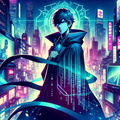
With the arrival of digital technologies, fantasy art underwent a remarkable transformation. Artists now had usage of impressive application and equipment that authorized them to build spectacular worlds and creatures with unparalleled detail and realism.
Digital painting procedures opened up new choices for artists to explore their imaginations freely. They might now experiment with lighting consequences, textures, and perspectives in strategies which were Beforehand unimaginable. Artists like H.R. Giger, noted for his surreal biomechanical layouts in films like "Alien," embraced these technological enhancements to force the boundaries of fantasy artwork even further more.
FAQs
What defines fantasy artwork?
Fantasy art encompasses any artwork that depicts fantastical features including legendary creatures, magical landscapes, or otherworldly beings. It is commonly characterized by its imaginative character and ability to transport viewers into fictional realms.
Who are a few notable fantasy artists throughout background?
Some noteworthy fantasy artists involve Hieronymus Bosch, Sandro Botticelli, Caspar David Friedrich, Arthur Rackham, H.R. Giger, and several more. Just about every artist has manufactured considerable contributions on the style and has still left a long-lasting effect on the earth of fantasy art.
How has technological innovation influenced the evolution of fantasy artwork?
Technologies has revolutionized the best way artists generate fantasy artwork. With electronic resources and program, artists can now provide their visions to lifestyle with incredible detail and realism. The electronic medium has also made it simpler for artists to experiment with diverse techniques and variations, pushing the boundaries of what is achievable in fantasy artwork.
What function does fantasy art Participate in in well-liked tradition?
Fantasy art has played a substantial purpose in shaping well-known society's notion of fantastical aspects. It has encouraged countless textbooks, movies, video video games, as well as other kinds of media that depend on Visible storytelling. Fantasy art happens to be synonymous with escapism and delivers audiences a chance to immerse them selves in enchanting worlds much faraway from actuality.
Is fantasy art limited to traditional media or can it's developed digitally?
Fantasy art could be created employing numerous mediums, which include standard tactics like portray and drawing in addition to digital equipment. When standard mediums have their charm and historic significance, digital art offers artists with infinite prospects for exploration and experimentation.
What does the future keep for fantasy artwork?
As technology continues to progress at an unparalleled speed, the future of fantasy artwork appears to be extremely promising. Artists will likely have usage of even more strong applications and tactics that could further more blur the traces involving reality and creativity. In addition, as societal passions and cultural influences evolve, we are able to hope new themes and narratives to emerge throughout the style of fantasy artwork.
Conclusion
The evolution of fantasy artwork from vintage to modern displays not only modifications in inventive techniques but also shifts in societal beliefs and cultural influences. From its humble beginnings in ancient civilizations to its current status like a beloved style, fantasy art has captivated audiences with its imaginative worlds and fantastical creatures.
Through the generations, artists have pushed the boundaries of imagination, bringing to lifetime mythical tales, epic battles, and enchanting landscapes. From illuminated manuscripts to digital masterpieces, fantasy artwork has advanced together with progress in technological know-how and inventive philosophies.
As we look in the direction of the longer term, it is obvious that fantasy artwork original artwork will go on to thrive and encourage generations to return. With new tools and tactics at their disposal, artists will generate all the more immersive and charming worlds, inviting audiences to embark on amazing adventures throughout the realm of fantasy.